
Jun 12 2013
What is Orthodontics?
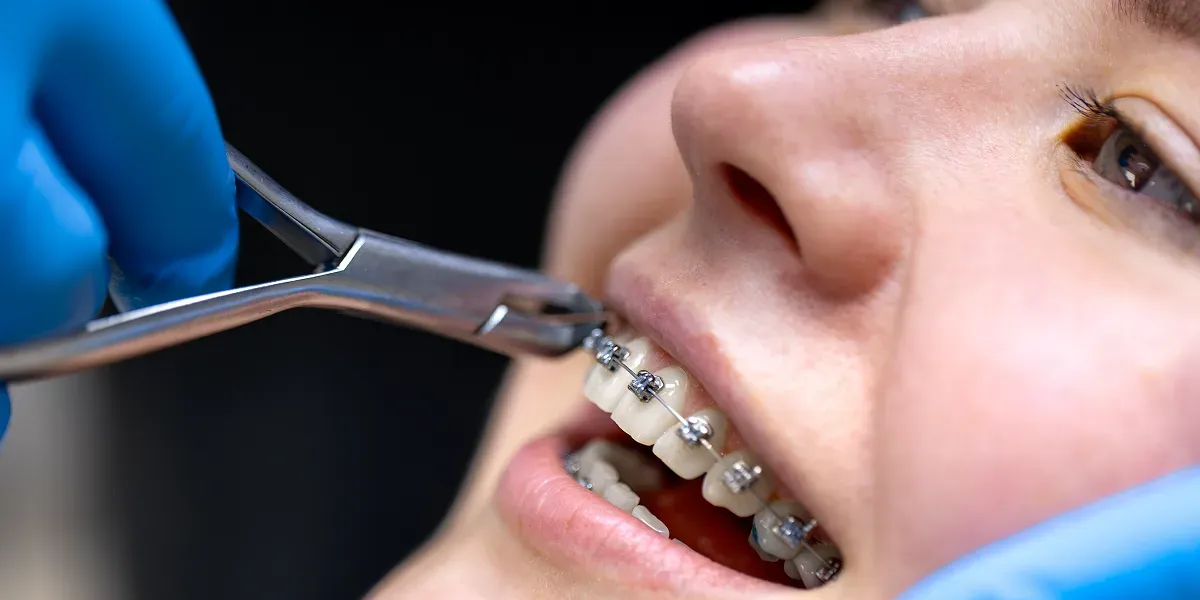
Why are the common people concerns with orthodontics? Orthodontics is a special dentistry’s branch, which deals with alignment of teeth. It emphasizes on maintenance of the oral, physical and the mental health of the patient and more so esthetics.
The definition used nowadays the importance of growth but also associate with etiology and the purpose of orthodontics so as to start and maintain a normal environment and proper physiologic activity of teeth, soft oral tissues, facial and and even masticatory musculature, in order to ensure as much as possible optimum dentofacial improvement and function. The word prevention before correction shows the necessity to diagnose a problem very fast.
Art and science of Orthodontics has three branches that are nutural and the time when they were invented.
Preventive: as the name implies, it is an action done to preserve the integrity of what is known to be the normal exclusion of the normal specific time. Preventive orthodontics needs the ability to appraise the usual dentofacial and also the general development and the development and the recognition from deviation. It includes the elimination of bad local habits involving dentofacial structure.
Interceptive orthodontics: this branch specifically concentrates on the effort towards creating better environmental conditions that permit future normal development. Preventive measures includes carriers control, space maintenance, transitory oral habit correction, genetic and congenital anomalies, and supervising the exfoliation of deciduous teeth. Some procedures under the preventive and interceptive may overlap. For that reason therefore, it may not be possible to segregate two, however, interception always recognize the existence of a malocclusion or malformation whereas the prevention is indented to prevent the malocclusion from occurring.
Corrective : corrective orthodontics, just like the others, recognizes the presence of a malocclusion and the necessity for using certain technical procedure to reduce or reduce the problem and the attendant sequelae. The procedure that is used in correction may be mechanical, surgical, or working in nature.
There are numerous posts in the internet describing the benefits of orthodontics. What these posts fail to point out is the timeline within which such benefits are achieved. To effectively describe what is orthodontics, this post will provide insights on some of the long term benefits of undergoing the procedure. The lasting benefits are compiled from various documented scientific sources and from the personal experience of various individuals may it be orthodontists or patients. The lasting benefits of the procedure include:
The first step an orthodontist carries out is to determine the different characteristics of dental deformation or malocclusions. He will then describe the nature of the deformity and if possible its cause or etiology. After these are determined, the next step would be to discuss with the patient and together, they will come up with a treatment strategy. The patient has to be fully aware of the implications of what this strategy entails.
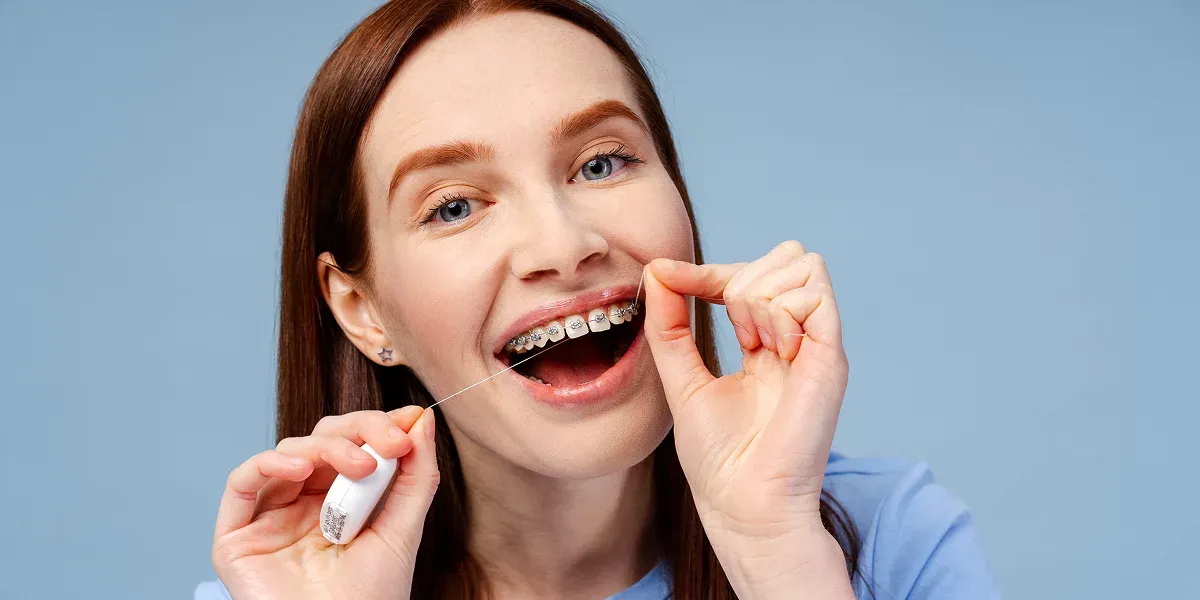
Braces enlarge the teeth on the back which in turn leaves the front teeth crammed full. The enlargement forces the incisors to overlie other teeth in front. Expanding the back teeth using orthodontics helps in the restoration of the arches to a stronger structure and shape.
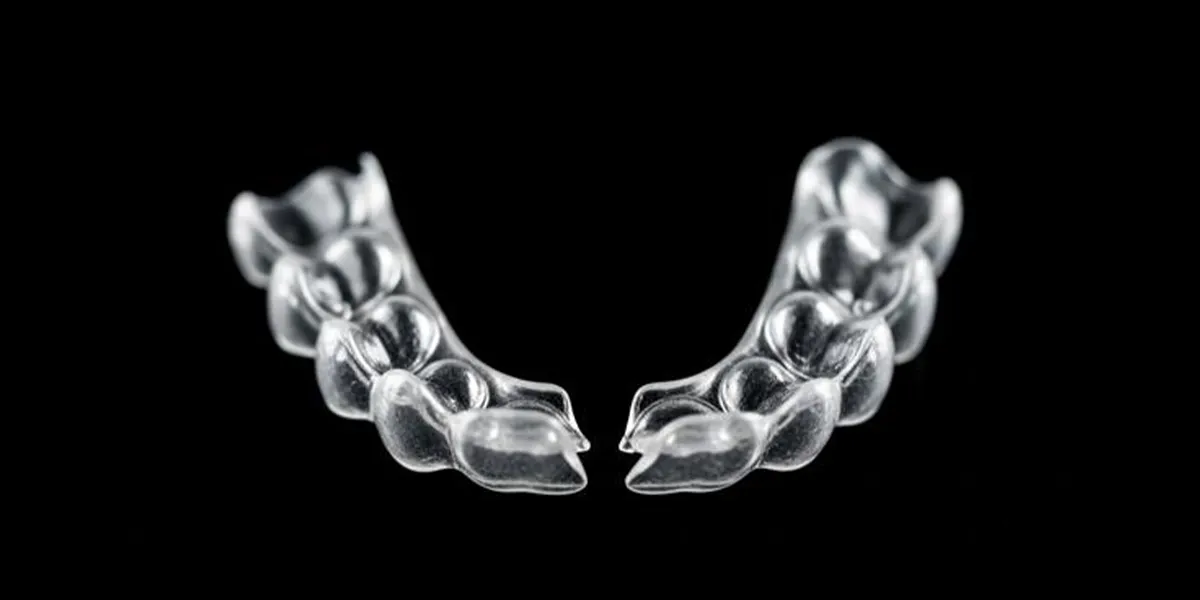
Invisalign can easily depict your entire treatment plan, that is, from the initial teeth position to your desired position by the aid of advanced 3D computer imaging technology. This will make it much easier to design a series of custom teeth aligners for you. These aligners must be changed after every two weeks. This way, your teeth will move slowly until they reach your desired position. The average treatment can be up to one year, but that depends on how severe your case is. People with mild cases may wear Invisalignfor around six months.
The logic behind this is simple. One becomes famous, only after giving nice treatment for a consistent time period. This is enough to prove that he’s a successful man and also has the experience.
Following the massive use of search engines by parents and patients it is almost impossible to say temporamandibular disorder is not related with orthodontic treatment. Since we are aware of the existence of TMJ, do we know how to treat it? The causes together with the treatment are at large debatable. Patients have been treated with functional appliances for years in order to avoid TMJ/D. It is however unclear on what one does clinically on a daily basis.